
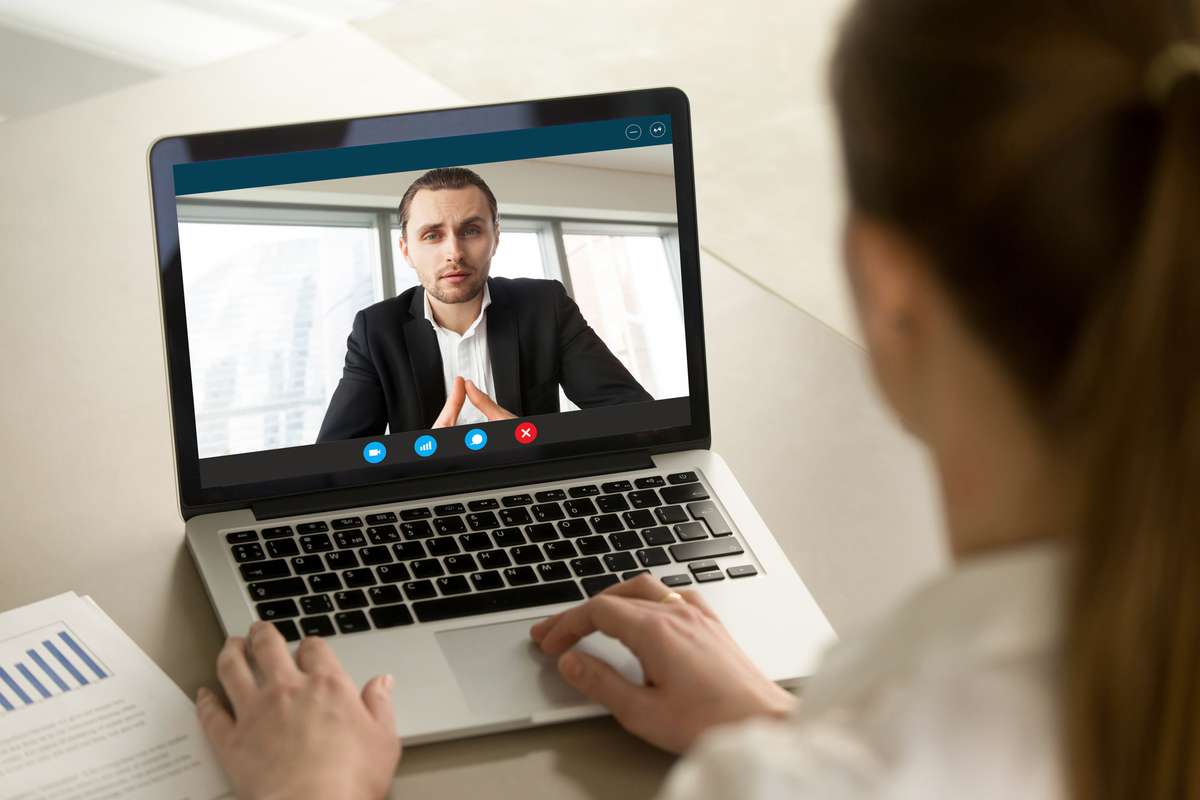
The demand for a remote high ticket closer for hire has increased dramatically as businesses continue expanding into online and international markets. Companies that offer premium products or services understand that high-value leads require skilled communication and a strategic sales process. Business owners no longer want to spend countless hours handling every sales call themselves because it limits their ability to focus on growth and operations. A remote high ticket closer provides the expertise needed to convert qualified prospects into paying clients while maintaining a professional customer experience. This approach helps businesses improve conversion rates without investing heavily in large in-house sales departments. Companies across the USA, UK, Canada, Australia, UAE, and Singapore are increasingly relying on remote sales professionals to manage premium-level sales conversations. As remote work becomes the standard in many industries, businesses are recognizing that experienced remote closers can deliver exceptional results from anywhere in the world.
Many organizations struggle with turning leads into revenue because they lack a specialized closer who understands buyer psychology and high-level communication. High ticket sales often involve emotional decision-making, trust-building, and long-term value positioning. A remote closer is trained to navigate those conversations effectively while maintaining professionalism and confidence. Businesses also appreciate the flexibility that comes with hiring remote talent because it allows them to scale quickly without geographical limitations. Remote sales systems have become more advanced due to video conferencing software, CRM tools, and automated scheduling platforms. These systems make it easier than ever for companies to connect with clients globally while maintaining a smooth sales experience. As competition increases in online industries, hiring a remote high ticket closer has become a practical strategy for businesses aiming to increase revenue efficiently.
A remote high ticket closer specializes in converting qualified leads into customers for premium-priced services or products. Unlike traditional sales representatives who may focus heavily on cold outreach, high ticket closers often work with warm or pre-qualified leads generated through marketing funnels, webinars, social media campaigns, and advertising. Their role involves understanding the prospect’s goals, identifying pain points, and positioning solutions in a persuasive and ethical manner. Since high ticket products usually involve larger financial investments, prospects expect detailed conversations before making decisions. A skilled closer knows how to guide these discussions while building trust and reducing hesitation. Remote closers commonly conduct calls through Zoom or similar platforms, allowing businesses to serve clients globally without requiring physical office meetings. Their ability to communicate effectively in virtual environments is one of the primary reasons businesses seek remote high ticket closer services.
A remote closer also manages follow-ups, appointment confirmations, CRM updates, and sales pipeline tracking. These tasks ensure that potential clients remain engaged throughout the buying process instead of losing interest due to poor communication. In many businesses, the closer works alongside marketing teams and appointment setters to create a streamlined customer journey. This collaboration improves efficiency because every stage of the sales process is handled strategically. Remote closers also analyze sales calls and performance metrics to improve conversion rates over time. They constantly refine scripts, messaging, and objection-handling techniques to remain competitive in evolving markets. Businesses value these professionals because they bring both communication skills and revenue-focused strategies into the organization.
Many industries rely heavily on high ticket sales, making remote closers a valuable part of their growth strategy. Coaching and consulting businesses frequently hire remote high ticket closers because premium coaching programs often require personalized sales calls before enrollment. Clients investing in business coaching, executive consulting, or mindset transformation programs typically need reassurance and clarity before committing financially. Remote closers help these businesses increase enrollments while allowing coaches to focus on delivering results to clients. Digital marketing agencies also benefit significantly from remote closers because agency retainers often involve long-term contracts and premium pricing structures. Skilled closers can communicate the value of ongoing marketing services more effectively than generic sales representatives.
SaaS and technology companies use remote closers to guide prospects through product demonstrations and subscription consultations. Since software solutions can be highly technical, businesses need professionals who can simplify complex information while emphasizing measurable value. Online education companies and course creators also depend on high ticket closers to convert webinar attendees and funnel leads into premium program enrollments. Real estate investment firms and luxury property companies increasingly use remote sales teams to connect with buyers across international markets. The flexibility of remote communication allows these companies to maintain relationships with investors and clients worldwide. Businesses in the health, wellness, finance, and personal development sectors also recognize the value of professional closers in maintaining consistent revenue growth. As premium service industries continue expanding globally, remote closing has become a critical component of scalable business operations.
An effective remote high ticket closer must possess exceptional communication skills because high-value sales depend heavily on trust and relationship-building. Prospects investing thousands of dollars into a service or product expect confidence, clarity, and professionalism during every interaction. A closer must actively listen to understand the prospect’s goals rather than simply delivering scripted pitches. Emotional intelligence is equally important because successful sales conversations require empathy and adaptability. Closers must recognize hesitation, uncertainty, or excitement in a prospect’s tone and respond strategically. Strong communication creates an environment where clients feel understood instead of pressured.
Negotiation and objection-handling abilities are also crucial in high ticket sales. Prospects often express concerns about pricing, timing, or perceived risk before making decisions. A skilled remote closer knows how to address these concerns professionally while reinforcing the value of the offer. Time management and organization are equally valuable because remote closers often manage multiple appointments, time zones, and client pipelines simultaneously. Technical proficiency is another major requirement since remote work depends heavily on CRM systems, scheduling software, and video conferencing platforms.
Important skills that businesses should prioritize include:
Advanced communication and persuasion abilities
Strong emotional intelligence and active listening
Professional objection-handling techniques
Experience with CRM and sales software
Time management and remote productivity
Confidence during virtual presentations
Adaptability when handling global clients
These abilities allow closers to maintain consistent performance while working remotely with businesses across different industries and markets.
Hiring a remote high ticket closer offers businesses several financial and operational advantages. One of the biggest benefits is reduced overhead costs compared to building an in-house sales department. Companies can avoid expenses related to office space, equipment, and extensive onboarding programs while still gaining access to experienced professionals. Remote closers often operate independently and already possess the technical tools required for virtual sales environments. This setup creates a cost-effective solution for businesses looking to scale revenue without significantly increasing operational expenses. Companies also gain flexibility because remote closers can support international clients across multiple time zones.
Another major advantage is access to global talent. Businesses are no longer restricted to hiring sales professionals within their local area. Instead, they can choose highly skilled closers from different parts of the world based on expertise and industry knowledge. This broader talent pool increases the chances of finding professionals who align with the company’s goals and communication style. Remote closers also contribute to faster business growth because they focus entirely on improving conversions and managing sales conversations efficiently. Business owners benefit from having more time to focus on strategy, product development, and client fulfillment rather than handling every sales call themselves.
Remote high ticket closers also help businesses create scalable systems. Instead of depending on one founder or executive for all sales activity, companies can build structured pipelines managed by dedicated professionals. This approach improves consistency and reduces burnout among leadership teams. As businesses continue expanding into markets like the USA, UK, Canada, Australia, UAE, and Singapore, remote sales professionals provide the flexibility needed for international growth.
The remote high ticket sales process typically begins with lead qualification. Businesses generate leads through advertising campaigns, social media marketing, webinars, referrals, or organic content strategies. These leads are then screened to determine whether they fit the ideal customer profile before scheduling a sales call. This step ensures that closers spend time speaking with serious prospects instead of unqualified leads. Once the lead qualifies, the closer conducts a discovery call to understand the prospect’s goals, challenges, and motivations. The conversation focuses on identifying how the business solution aligns with the client’s desired outcome.
During the call, the closer presents the offer strategically while addressing concerns and highlighting measurable value. Objection handling becomes an important stage because prospects may hesitate due to budget limitations, timing concerns, or fear of making the wrong decision. Experienced closers know how to navigate these objections without creating pressure or discomfort. After the prospect feels confident about the offer, the closer guides them through the purchasing process and onboarding steps. Follow-up communication is equally important because many premium sales require additional nurturing before final commitment.
The process often includes several important stages:
Lead qualification and appointment scheduling
Discovery and strategy discussions
Offer presentation and value positioning
Objection handling and negotiation
Final closing and onboarding
Ongoing relationship management and follow-up
These steps help businesses create a structured and repeatable sales system capable of supporting long-term growth.
Many business owners delay hiring a remote high ticket closer because they believe they can manage sales independently. However, several warning signs indicate when professional sales support becomes necessary. One common issue is generating leads consistently while struggling to convert them into paying clients. Marketing campaigns may attract interest, but poor sales execution can result in lost revenue opportunities. Another sign is an overloaded calendar filled with discovery calls that consume valuable time and energy. Founders often become overwhelmed when balancing sales conversations alongside operations, marketing, and customer support responsibilities.
Low conversion rates also indicate that a business may benefit from hiring a skilled closer. Even strong offers can underperform if sales conversations lack structure, confidence, or persuasive communication. Businesses expanding internationally may also require remote closers capable of managing clients across different regions and time zones. Premium-priced services usually involve more detailed conversations, making experienced closers essential for improving buyer confidence. Companies that rely heavily on referrals or word-of-mouth marketing may eventually hit growth limitations without a dedicated sales professional.
Another sign is inconsistent follow-up with prospects. Many businesses lose potential clients simply because they fail to maintain communication after the first conversation. Remote high ticket closers ensure prospects remain engaged throughout the decision-making process. Businesses aiming for predictable and scalable growth often recognize that investing in professional sales support creates stronger long-term revenue systems.
Choosing the right remote high ticket closer requires careful evaluation because sales professionals directly influence business revenue and client relationships. Proven sales experience should always be a top priority. Businesses should review performance history, communication style, and familiarity with high-value offers before making hiring decisions. Closers with experience in specific industries often adapt more quickly because they already understand common buyer concerns and market expectations. For example, a closer experienced in coaching programs may perform better in consulting environments than someone with only retail sales experience.
Communication style is another critical factor because remote sales rely heavily on virtual interactions. Businesses should evaluate how confidently the closer speaks, listens, and handles objections during interviews or mock sales calls. Technical proficiency is also essential since remote work requires CRM management, video conferencing tools, scheduling platforms, and digital communication systems. A closer who struggles with technology may create inefficiencies that affect the customer experience. Cultural adaptability matters as well because businesses serving global markets need professionals capable of communicating effectively with diverse audiences.
Important qualities to prioritize include:
High ticket sales experience
Strong virtual communication abilities
Confidence during negotiations
Familiarity with CRM and automation tools
Adaptability across international markets
Ethical and relationship-focused selling techniques
Consistent follow-up and organizational skills
Hiring the right closer can significantly improve revenue performance while strengthening customer relationships across global markets.
The global demand for remote high ticket closers continues growing as businesses shift toward digital operations and virtual communication. Companies in the USA, UK, Canada, Australia, UAE, and Singapore are increasingly investing in remote sales systems to remain competitive in evolving industries. Businesses recognize that remote closers provide flexibility, scalability, and access to international clients without requiring expensive office expansions. Online coaching, SaaS, digital agencies, and consulting industries have contributed significantly to the growth of remote sales careers. These sectors often rely on premium offers that require personalized communication before clients commit financially.
Technology has made remote closing more efficient than ever before. Video conferencing software, AI-driven CRM systems, and automated sales tools allow businesses to manage international sales operations seamlessly. Clients have also become more comfortable making large purchasing decisions online, especially after years of increased digital communication. This shift has created enormous opportunities for businesses willing to invest in experienced remote sales professionals. Companies that fail to adapt to remote sales trends may struggle to compete against businesses using highly optimized virtual sales systems.
Remote high ticket closers are expected to remain in high demand as more businesses prioritize global scalability and flexible workforce structures. The ability to communicate effectively across cultures and time zones has become a valuable advantage in competitive industries. Businesses seeking sustainable revenue growth increasingly view remote sales professionals as essential partners rather than optional hires.
A remote high ticket closer is a sales professional who specializes in selling premium-priced products or services through virtual communication channels such as Zoom or phone calls. Their primary role is to convert qualified leads into paying clients while building trust and addressing objections professionally.
Pricing varies depending on experience, industry expertise, and compensation structure. Some closers work on commission-only agreements, while others charge monthly retainers or hybrid payment models that combine base pay with performance incentives.
Yes, remote closers commonly work with businesses and prospects across multiple countries and time zones. Many companies in the USA, UK, Canada, Australia, UAE, and Singapore rely on remote closers to support global expansion efforts.
Coaching, consulting, SaaS, digital marketing agencies, online education, luxury real estate, finance, and wellness industries frequently hire high ticket closers because their services often involve premium pricing structures.
They improve conversions by building trust, handling objections effectively, maintaining consistent follow-up communication, and presenting offers in a personalized and value-focused manner.
For many businesses, remote closers provide a more flexible and cost-effective solution compared to building a large in-house sales department. They allow companies to scale faster while reducing operational expenses.
Hiring a remote high ticket closer for hire can transform the way businesses manage premium sales opportunities and global client relationships. Companies that invest in skilled remote sales professionals often experience improved conversion rates, stronger customer engagement, and more scalable revenue systems. Remote closers bring specialized communication abilities, emotional intelligence, and sales expertise that many growing businesses lack internally. Their ability to work with clients across the USA, UK, Canada, Australia, UAE, Singapore, and other international markets creates valuable opportunities for expansion. As online business continues evolving, remote high ticket closing has become an essential strategy for brands seeking long-term growth and operational flexibility. Businesses that prioritize structured sales systems and professional client communication position themselves more effectively in competitive industries. The growing demand for remote sales expertise shows that high ticket closing is no longer limited by geography, making it one of the most powerful tools for modern business growth.