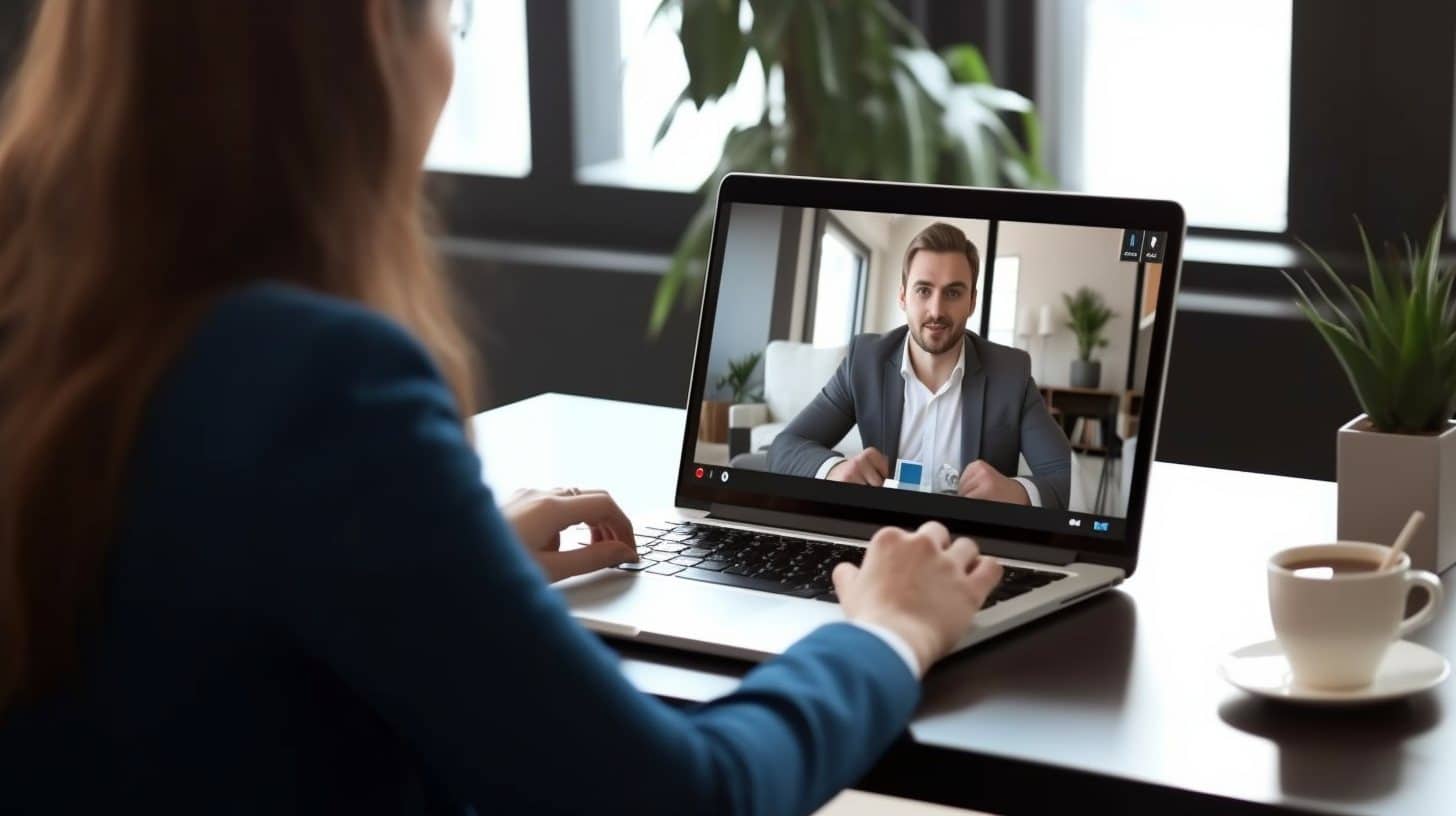

The term remote closing meaning refers to a modern sales function where deals are finalized entirely through digital communication channels rather than face-to-face meetings. It is a role that focuses on converting qualified prospects into paying customers using phone calls, video conferencing, email, and messaging platforms. In today’s digital economy, businesses increasingly rely on remote closers to handle high-value sales conversations without being physically present with the client. This approach has become especially relevant in industries that sell premium services or high-ticket offers online.
Remote closing is not just about selling; it is about guiding a prospect toward a decision in a structured and consultative way. The process is heavily relationship-driven even though it happens virtually. Instead of meeting in offices or boardrooms, conversations take place through platforms like Zoom, Google Meet, or specialized CRM communication tools. The shift toward remote work culture has made this role more accessible across global markets. It allows companies to scale their sales teams without geographic limitations.
At its core, remote closing meaning revolves around influence, trust-building, and digital communication. It requires a deeper understanding of buyer psychology because physical presence cannot be used to establish authority or connection. The success of a remote closer depends on how effectively they can replicate in-person persuasion techniques in a virtual environment. This makes it a unique blend of sales expertise and digital fluency. As businesses continue to move online, the importance of this role continues to grow.
Remote closing follows a structured process that ensures prospects are guided smoothly from interest to purchase. It usually begins after marketing teams or lead generation systems identify potential customers. These leads are then passed to remote closers who engage them in conversations designed to understand needs and motivations. The process is highly intentional and focused on qualification before any sales pitch is made.
Once a lead is qualified, the remote closer conducts a discovery call to learn about the prospect’s goals, challenges, and expectations. This stage is crucial because it determines whether the product or service is a good fit. After gathering insights, the closer presents a tailored solution designed to match the prospect’s specific needs. Objection handling becomes a major part of this stage, as prospects often need clarification or reassurance before making a decision.
The final stage involves guiding the prospect toward a purchasing decision. This is done through persuasive communication rather than pressure tactics. Agreements are often finalized using digital contracts and online payment systems. The entire process is designed to feel seamless, professional, and convenient for the buyer. Remote closing ensures that distance does not interfere with the quality of the sales experience.
A remote closer holds a highly focused role within the sales ecosystem. Their primary responsibility is to convert warm leads into paying customers through structured conversations. Unlike general sales representatives, they typically do not engage in cold outreach or early-stage prospecting. Instead, they focus on high-intent leads who are already familiar with the product or service.
Another important responsibility is maintaining strong communication with potential buyers. This includes listening actively, identifying pain points, and presenting solutions clearly. A remote closer must also manage multiple conversations while keeping each interaction personalized. This requires strong organizational skills and emotional awareness. They must ensure that every prospect feels understood and valued throughout the process.
In addition to client interaction, remote closers work closely with marketing and sales teams. They provide feedback on lead quality and help refine messaging strategies. Their insights are valuable in improving conversion rates and optimizing sales funnels. They also track performance metrics to evaluate their effectiveness over time. This makes the role both strategic and customer-focused.
Remote closing differs significantly from traditional sales closing in several key areas. The most obvious difference is location independence. Traditional closers often work in offices or meet clients in person, while remote closers operate entirely online. This shift allows companies to hire talent from anywhere in the world.
Communication methods also vary between the two models. Traditional sales rely heavily on face-to-face interaction, body language, and physical presence. Remote closing depends on verbal communication, tone of voice, and digital tools to build trust. This makes adaptability an essential skill for remote closers.
Another difference lies in speed and scalability. Remote closing allows businesses to handle more clients in less time due to streamlined processes. It also reduces operational costs such as office space and travel expenses. Traditional models, while effective, often require more time and resources to close deals. Remote closing provides a more flexible and scalable alternative.
Understanding remote closing meaning in practice requires a combination of technical and interpersonal skills. Communication is the most critical ability, as remote closers must articulate value clearly without physical presence. They must also be persuasive without sounding overly aggressive or scripted. Emotional intelligence plays a major role in reading client behavior during conversations.
Active listening is another essential skill. Remote closers must understand not only what prospects say but also what they imply. This helps in identifying hidden objections and unspoken concerns. Time management is equally important because remote closers often handle multiple calls daily.
Additional skills include:
Strong objection-handling techniques
Ability to build rapport quickly online
Confidence in high-ticket sales conversations
Familiarity with CRM systems and sales tools
Self-discipline in remote work environments
These skills collectively enable a remote closer to perform effectively in a competitive digital marketplace.
Remote closing relies heavily on technology to manage communication and sales processes efficiently. Video conferencing tools are used for live client interactions, allowing closers to maintain a personal connection despite physical distance. CRM platforms help track leads, conversations, and sales progress in real time. These systems ensure that no opportunity is lost or overlooked.
Automation tools also play a key role in scheduling follow-ups and managing reminders. Digital contract platforms make it easy to finalize agreements without paperwork. Payment gateways enable secure and instant transactions across regions. Messaging tools support quick communication between team members and clients.
These technologies create a streamlined workflow that enhances productivity and efficiency in remote sales environments.
Remote closing is widely used across multiple industries that rely on digital sales models. Online coaching and education businesses frequently use remote closers to sell courses and mentorship programs. SaaS companies also depend on them to convert software trial users into paying customers.
Digital marketing agencies often employ remote closers to sell services such as advertising campaigns and branding packages. E-commerce businesses use them for high-ticket product sales and premium offerings. Financial consulting firms also utilize remote closers for investment and advisory services.
These industries benefit from remote closing because it allows them to scale sales operations globally without physical constraints.
Businesses gain several advantages from implementing remote closing systems. One of the most significant benefits is cost reduction. Companies save money on office space, travel, and in-person meetings. This allows more resources to be allocated toward marketing and product development.
Another benefit is access to a global talent pool. Businesses are no longer limited to hiring local sales professionals. This increases the chances of finding highly skilled remote closers who specialize in high-ticket sales. It also improves conversion rates due to expertise-driven selling.
Other benefits include:
Faster response time to qualified leads
Increased scalability of sales operations
Improved flexibility in team structure
Higher efficiency in closing deals
These advantages make remote closing an attractive model for modern businesses.
For sales professionals, remote closing offers significant career opportunities. One of the most appealing aspects is flexibility in work location. Remote closers can work from anywhere as long as they have internet access. This creates a better work-life balance compared to traditional office roles.
Income potential is another major benefit. Many remote closers earn commission-based income, which can be significantly higher than fixed salaries. Performance directly influences earnings, creating strong motivation for improvement. Remote closing also provides exposure to global clients and industries.
It helps professionals develop advanced sales skills that are highly valuable in the digital economy. These include persuasion, negotiation, and virtual communication expertise. The role also encourages independence and self-management.
Despite its advantages, remote closing comes with challenges. One major difficulty is building trust without physical interaction. Sales professionals must rely entirely on communication skills to establish credibility. This requires practice and consistency.
Handling objections in virtual environments can also be challenging. Without face-to-face cues, it may be harder to interpret client hesitation. Technical issues such as poor internet connection can disrupt calls and affect performance. Time zone differences may also complicate scheduling with international clients.
These challenges are managed through preparation, training, and the use of reliable technology. Remote closers also develop structured communication strategies to overcome barriers effectively.
Becoming a remote closer typically starts with learning fundamental sales principles. Understanding how buyers make decisions is essential. Many aspiring closers begin by studying high-ticket sales techniques and digital communication strategies.
Practical experience is also important. Entry-level sales roles can help build confidence and develop essential skills. Role-playing exercises and simulated sales calls are often used for training. Over time, individuals gain experience handling real clients and closing deals.
Continuous learning plays a key role in long-term success. Many professionals improve through mentorship, online courses, and consistent practice.
There are several ways to develop remote closing skills. Online courses focused on digital sales provide structured learning paths. Mentorship programs offer guidance from experienced professionals in the field. These programs often include live coaching sessions and feedback.
Role-playing exercises help simulate real sales conversations. This allows learners to practice objection handling and persuasion techniques. Real-world experience is also essential for growth. Working with actual clients helps refine communication and closing strategies.
Remote closing offers diverse job opportunities across industries. Entry-level roles may start with modest earnings, but experienced closers can earn significantly more through commissions. Income varies depending on industry, product type, and performance.
Many remote closers work as freelancers or independent contractors. Others are employed by agencies or companies with structured sales teams. High-ticket sales roles often provide the highest earning potential due to larger commission structures.
Career growth opportunities also exist in sales management and training positions.
One common misunderstanding is that remote closing is easy money. In reality, it requires strong communication skills, discipline, and persistence. Another misconception is that no experience is needed. While entry is accessible, success depends on skill development.
Some people confuse remote closing with telemarketing, but they are different roles. Remote closing focuses on high-value, consultative sales rather than cold calling. Another misconception is that automation replaces closers entirely, but human interaction remains essential.
Remote closing meaning refers to finalizing sales deals through digital communication without meeting clients in person.
Yes, it is a widely used and growing career in digital sales industries.
Experience helps, but many beginners enter the field through training and entry-level roles.
Most earn through commissions based on successful sales conversions.
Industries include SaaS, coaching, marketing, e-commerce, and consulting.
Yes, many professionals work flexible or part-time schedules.
Remote closing has become a vital part of modern sales systems, driven by digital transformation and global connectivity. It offers opportunities for both businesses and professionals to operate without geographic limitations while maintaining high-performance sales processes. Understanding remote closing meaning provides insight into how online sales ecosystems function today and why this role continues to expand across industries.