
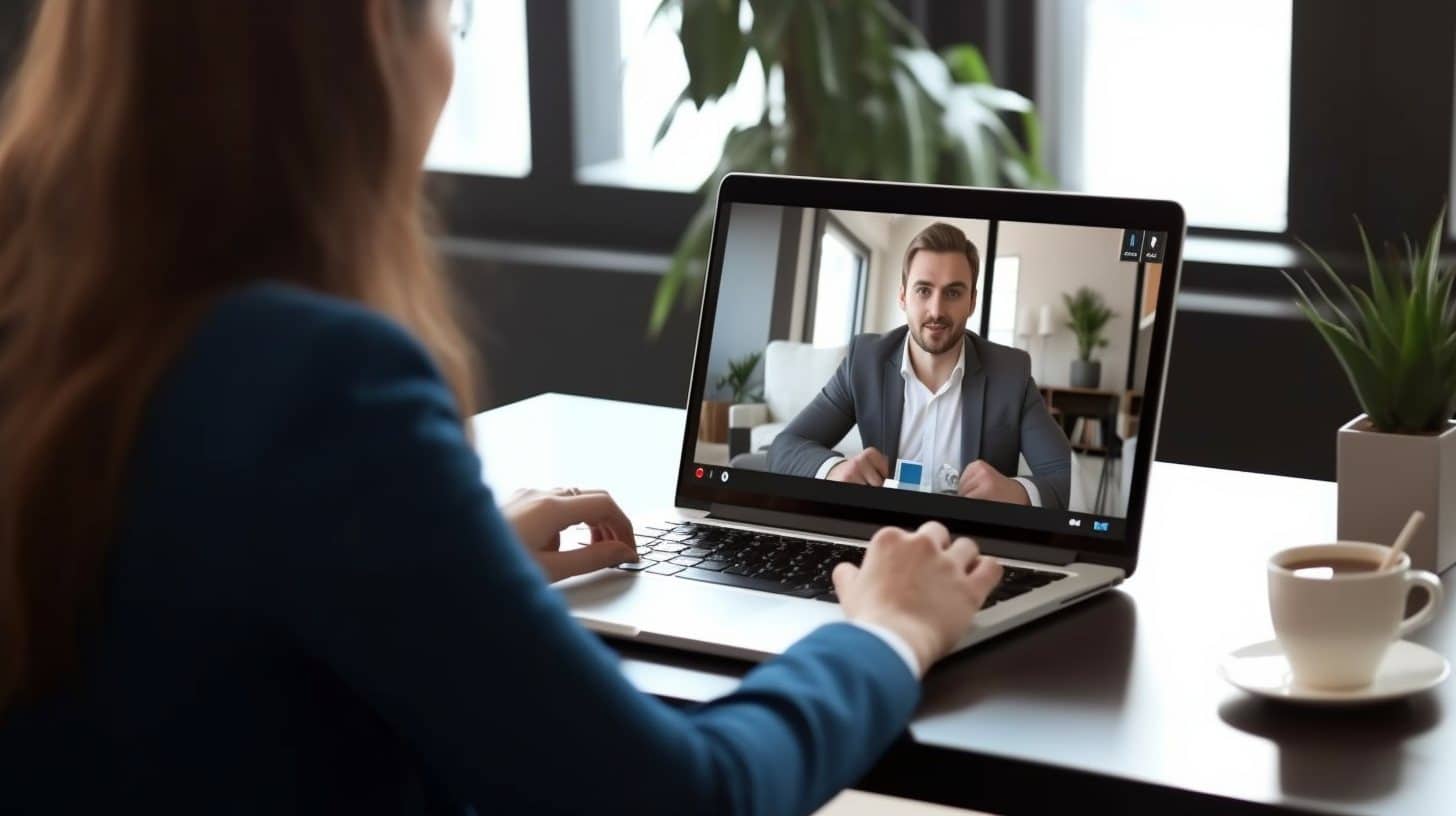
A remote closer overview explains how modern sales professionals operate in fully digital environments to convert qualified prospects into paying customers without meeting them in person. This role has become a major part of online business ecosystems where communication happens through video calls, phone calls, and messaging platforms. Remote closers typically work with high-ticket offers, meaning they focus on products or services that require thoughtful decision-making rather than quick purchases. Their work is deeply integrated into structured sales funnels that filter and prepare leads before a closing conversation takes place. Businesses rely on remote closers to bridge the gap between interest and final purchase, especially in industries that depend on trust and personalization. This role has grown rapidly as companies shift toward remote-first operations and global hiring strategies. Understanding a remote closer overview helps clarify how digital sales systems function and why this position is essential for scaling revenue in modern businesses.
Remote closing is not just about selling but about guiding conversations toward informed decisions. It blends communication skills, emotional intelligence, and structured persuasion techniques. The process is designed to align customer needs with tailored solutions offered by businesses. Unlike traditional sales roles, remote closers operate without physical presence, relying instead on structured scripts, CRM data, and real-time engagement tools. This shift has made sales more accessible to professionals across different locations and backgrounds. It also allows companies to scale faster without being restricted by geography or office infrastructure. The remote closer model continues to evolve as technology improves and buyer behavior becomes more digital-first.
The responsibilities of a remote closer are centered on guiding qualified leads toward making confident purchase decisions through structured conversations. These professionals step into the sales process after marketing and appointment setting have already filtered potential customers. A key part of their job is understanding the prospect’s needs before presenting any solution. They must quickly build rapport and establish trust, often within the first few minutes of a call. Remote closers also spend significant time handling objections and clarifying doubts that may prevent a purchase. Their role requires both strategic thinking and emotional awareness during every interaction.
A remote closer overview of responsibilities includes several key areas:
Reviewing lead information before scheduled calls
Conducting discovery conversations to identify pain points
Presenting tailored offers aligned with customer needs
Handling objections related to pricing, timing, or trust
Guiding prospects through decision-making steps
Completing payment and onboarding transitions
Maintaining communication with internal teams
Each responsibility contributes to the overall effectiveness of the sales process. Remote closers are not simply selling; they are facilitating decisions that require confidence and clarity. Their ability to adapt communication styles based on different personalities plays a major role in their success. They also work closely with appointment setters, marketing teams, and fulfillment departments to ensure a smooth customer journey. This coordination ensures that every lead is properly handled from initial contact to final conversion. The role requires consistency, discipline, and a strong understanding of human behavior in purchasing decisions.
A strong remote closer overview highlights that success in this role depends heavily on a combination of communication, psychology, and technical skills. Remote closers must be able to speak clearly, listen actively, and respond appropriately under pressure. Emotional intelligence is essential because buyers often express hesitation, uncertainty, or skepticism during conversations. The ability to remain calm and confident during objections directly influences conversion rates. Strong sales professionals also understand how to guide conversations without being overly aggressive or pushy. They focus on alignment between customer goals and the offered solution.
Another critical skill is structured thinking during sales calls. Remote closers often follow frameworks that help them control the flow of conversation. These frameworks ensure consistency and reduce missed opportunities. Adaptability is also important because every prospect behaves differently. Some buyers require detailed explanations while others respond better to emotional storytelling. Technical familiarity with CRM systems, video conferencing tools, and scheduling platforms is also necessary. These tools help track performance and manage daily workflows efficiently.
Remote closers must also develop resilience because rejection is a natural part of the job. Maintaining motivation after unsuccessful calls is essential for long-term performance. Continuous learning is another important factor, as sales techniques evolve with changing consumer behavior. Professionals in this field often study persuasion psychology, behavioral economics, and communication strategies to refine their skills. Strong discipline and time management ensure that daily call targets and performance goals are consistently met.
A modern remote closer overview cannot be complete without understanding the tools that support daily operations. Technology plays a central role in managing leads, scheduling calls, and tracking sales performance. Remote closers rely heavily on integrated systems that allow seamless communication with prospects and internal teams. These tools also ensure that no lead is lost during the sales process.
Common tools used in remote closing systems include:
CRM platforms for tracking leads and conversations
Video conferencing tools for virtual sales calls
Automated scheduling systems for booking appointments
Digital contract and payment platforms
Sales tracking dashboards for performance monitoring
Communication tools for team coordination
These tools allow remote closers to operate efficiently across different time zones and locations. CRM systems store valuable customer data that helps personalize conversations. Video platforms create a face-to-face experience even in virtual environments, which helps build trust. Scheduling tools reduce friction by automating appointment booking. Digital contract systems speed up the closing process by removing paperwork delays. Sales dashboards help professionals track their progress and improve conversion rates over time.
Technology also enhances accountability within sales teams. Managers can monitor performance metrics and provide feedback based on real data. This creates a structured environment where improvement is measurable and continuous. The integration of tools has made remote closing more scalable and efficient than traditional sales models.
The remote closer overview extends across multiple industries where high-value transactions require guided decision-making. One of the most common sectors is online coaching and education, where programs often require significant investment. In this space, remote closers help prospective students understand the value of mentorship and structured learning systems. SaaS companies also rely heavily on remote closers to convert trial users into paying customers for premium software plans.
Consulting businesses use remote closers to sell advisory services that help clients solve complex business challenges. These services often require explanation and trust-building before purchase. E-commerce businesses that sell high-ticket or custom products also benefit from remote closing strategies. Luxury goods, specialized equipment, and personalized services often require a detailed explanation before purchase decisions are made. Remote closers help bridge this gap by communicating value effectively.
Other industries include financial services, marketing agencies, and enterprise software providers. Each of these sectors relies on structured sales conversations to close deals. The flexibility of remote closing allows it to be applied across nearly any industry that sells high-value products or services. This adaptability is one of the reasons the role continues to grow in demand globally.
A key part of any remote closer overview is understanding how income is structured in this profession. Remote closers typically earn through commission-based models, meaning their income is directly tied to performance. This creates strong earning potential for skilled professionals who consistently close deals. Some companies also offer hybrid compensation structures that include a base salary combined with commissions.
Commission rates vary depending on the industry and offer price. High-ticket sales often provide higher commissions due to the value of each closed deal. Performance bonuses may also be included when closers exceed monthly targets. Income levels can fluctuate based on lead quality, conversion rates, and sales volume. Professionals who consistently improve their skills often experience significant income growth over time.
Compensation models may include:
Pure commission structures based on closed deals
Base salary plus commission hybrid models
Tiered commission systems based on performance levels
Bonus incentives for exceeding targets
This flexible earning structure makes remote closing attractive for individuals who are motivated by performance-based income. However, it also requires consistency and discipline to maintain stable earnings. Success in this field depends heavily on skill development and effective communication rather than fixed hourly work.
Building a career in remote closing requires a combination of learning, practice, and positioning. A strong remote closer overview of career entry shows that beginners often start by learning fundamental sales principles. Understanding communication frameworks and buyer psychology is essential before engaging in real sales conversations. Many aspiring closers begin with entry-level roles such as appointment setting or sales development to gain experience.
Practical steps to enter the field include:
Learning core sales communication techniques
Practicing objection handling through role-play
Studying buyer psychology and decision-making behavior
Gaining experience in entry-level sales roles
Building a personal portfolio of sales performance
Networking with online sales communities
Once foundational skills are developed, individuals can begin applying for remote closing positions. Employers often look for confidence, communication ability, and consistency rather than formal degrees. Demonstrating real sales ability through practice calls or recorded simulations can significantly improve hiring chances. Over time, professionals refine their approach and develop a unique closing style that fits their personality.
A structured remote closer overview must include how sales funnels are organized. Remote closers operate within a larger system designed to guide leads from awareness to purchase. The funnel begins with lead generation through marketing campaigns, content creation, or referrals. Once leads enter the system, they are filtered and qualified by appointment setters or automated tools.
The workflow typically includes:
Lead generation through digital marketing channels
Qualification of prospects based on interest and fit
Scheduling of sales appointments
Remote closer conducting sales conversations
Payment processing and onboarding
Post-sale client engagement
Each stage is designed to ensure efficiency and improve conversion rates. Remote closers focus primarily on the final stage where decision-making occurs. This structured workflow allows businesses to scale operations without overwhelming sales teams. It also ensures that each prospect receives appropriate attention based on their readiness to buy.
Performance tracking plays a critical role in a remote closer overview because success is measurable through data. Conversion rates are one of the most important metrics, showing how many calls result in closed deals. Revenue per call is another key indicator of performance efficiency. High-performing closers often analyze their call volume, objection handling success, and closing ratios to improve results.
Important performance metrics include:
Conversion rate per call
Revenue generated per conversation
Daily and weekly call volume
Lead qualification accuracy
Customer retention and satisfaction levels
Optimization strategies involve reviewing recorded calls, identifying weak points, and improving communication techniques. Continuous improvement is essential because small adjustments can significantly increase conversion rates. Remote closers who consistently refine their approach tend to outperform those who rely on static methods. Data-driven decision-making ensures long-term growth and stability in performance.
The remote closer overview also includes challenges that professionals face in this role. One of the most common challenges is rejection, which can occur frequently in sales environments. Maintaining confidence after multiple rejections requires emotional resilience and mental discipline. Another challenge is inconsistent lead quality, which can affect conversion rates even for skilled closers.
Communication barriers can also arise during virtual interactions. Technical issues, misunderstandings, or lack of engagement may disrupt the flow of conversations. Managing time effectively is another challenge, especially when handling multiple calls across different time zones. Professionals address these challenges by maintaining structured routines and continuously improving their communication skills.
Adaptability is key to overcoming these obstacles. Remote closers who remain flexible and solution-oriented tend to perform better in dynamic environments. Support from team structures and ongoing training also helps reduce performance pressure and improve consistency.
High-performing professionals follow structured habits that align with a strong remote closer overview of success strategies. Preparation before each call is essential, including reviewing lead information and planning conversation flow. Emotional control during calls helps maintain confidence and clarity when handling objections. Consistent practice ensures long-term skill development and improved performance.
Effective practices include maintaining call discipline, tracking performance metrics, and refining communication techniques regularly. Building trust with prospects is more effective than applying aggressive sales tactics. Listening actively and responding thoughtfully improves conversion outcomes significantly. Successful closers also prioritize learning and feedback as part of their daily routine.
Ethical behavior is an essential part of any remote closer overview because trust directly impacts sales success. Remote closers must ensure that communication is honest, transparent, and aligned with actual product value. Misleading claims or exaggerated promises can damage both reputation and long-term business performance. Ethical sales practices focus on solving real problems rather than forcing unnecessary purchases.
Building trust requires consistency, clarity, and respect for customer decisions. Buyers are more likely to convert when they feel understood rather than pressured. Ethical closing also involves clear pricing communication and honest expectation setting. Professionals who prioritize integrity often build stronger long-term relationships with clients.
A remote closer conducts virtual sales calls, engages with qualified leads, handles objections, and guides prospects toward purchasing decisions.
Experience is helpful but not always required. Many people enter the field through training or entry-level sales roles.
Remote closing is fully digital, while traditional sales often involve in-person meetings and physical interactions.
Industries include coaching, SaaS, consulting, online education, and high-ticket service businesses.
Yes, many professionals build long-term careers in remote closing with opportunities for advancement and higher earnings.
A well-rounded remote closer overview reveals that this role is a core component of modern digital sales systems. It combines communication, psychology, and structured workflows to convert leads into customers efficiently. Success depends on skill development, consistency, and the ability to adapt to different buyer behaviors. With growing demand across industries, remote closing continues to be a strong career path for individuals interested in high-performance sales environments.